Cardiac Rhythm Management
Cardiac rhythm management is the investigation and treatment of heart rhythm abnormalities (arrhythmias).
Arrhythmias most often cause an awareness of the heart beating (palpitations) but patients with arrhythmias may also have symptoms of fatigue, breathlessness, light-headedness or black-outs (syncope). I aim to quickly identify the cause of these worrying symptoms and provide reassurance or offer appropriate guided treatment.

Dr David Begley
I graduated from Edinburgh Medical School in 1994 (MB ChB). Following completion of my residency in South East Scotland I spent 3 years at the National Institutes of Health in Bethesda, Maryland where I undertook research in the investigation and management of patients with the heart muscle condition, hypertrophic cardiomyopathy, culminating in the completion of a research degree (MD) through the University of Edinburgh.
I returned to the UK in 2002 to complete specialist training in cardiology and cardiac rhythm management at the internationally respected Freeman Hospital in Newcastle.

Professional Experience
I was appointed a consultant in Cardiology at Papworth Hospital in 2007 to expand the existing cardiac rhythm management team.
Papworth Hospital was granted Royal Patronage in 2017 and was officially renamed Royal Papworth Hospital in 2018. I was elected Fellow of the Royal College of Physicians in 2009 (FRCP).
I was Clinical Lead for CRM from 2011 until 2016 during a period of rapid growth, maintaining the department’s position as one of the highest volume centres in the country for both electrophysiology studies and complex ablations, and cardiac device implants.
I was Clinical Director for cardiology from 2018 to 2025.
THE QUEEN OPENS ROYAL PAPWORTH HOSPITAL
Her Majesty The Queen officially opened the Royal Papworth Hospital on Tuesday 7th July 2019. Clinical Director for Cardiology, Dr. David Begley met with the Queen during her visit meeting patients and staff of the hospital.
Conditions and Treatments

- Palpitations
- Breathlessness
- Fatigue
- Light-headedness
- Blackouts/Syncope (read more)
- Premature ventricular contractions (PVCs)
- Supraventricular tachycardia (SVT)
- Atrial flutter and fibrillation (AF)
- Ventricular tachycardia (VT)
- Heart block and sinus node disease (SND) (read more)
Assessment starts with a simple electrocardiogram (ECG). Other tests include:
- Ambulatory ECG monitoring
- Echocardiogram
- Diagnostic electrophysiology study (read more)
- Management with medicines
- Cardiac device implantation
- Catheter ablation (read more)

Testimonials
Suffering from Ventricular Tachycardia, I was looking for a better solution than just palliative drug care. After research on the web, I met Consultant Cardiologist Dr David Begley and that meeting totally changed my life for the better.
Following investigation, Dr Begley informed me that I was suitable for ablation, a process which other, less specialist, doctors had declined before because mine was “a difficult case”.
From the outset, Dr Begley was careful to explain all aspects of my condition. He impressed me with his professional but relaxed and friendly manner and I felt free to ask as many questions as I wanted. After our first meeting, I came away feeling very positive.
My ablation proved to be very successful. Dr Begley gave me back my life. Before treatment, I was in fear of VT attacks and I had many. Following treatment, I am able to work and live in a way that was impossible earlier. It is difficult to adequately describe how grateful I am.
I would recommend anybody in a similar situation to follow my path as soon as possible.
Memberships


Guidance

What to Expect when Having an Ablation
Catheter ablation is a common procedure which Dr Begley carries out regularly and with a qualified and experienced team. Preparing for the procedure needn’t be a worry and here we’re looking at the process, how to prepare and what will happen during the ablation....

Understanding Cardiovascular Syncope
Cardiovascular syncope or syncope of any kind can be very worrying. Syncope is simply the technical term for fainting, sudden loss of consciousness and when it’s related to your heart’s rhythm it is cardiovascular syncope. Cardiovascular syncope often occurs because...
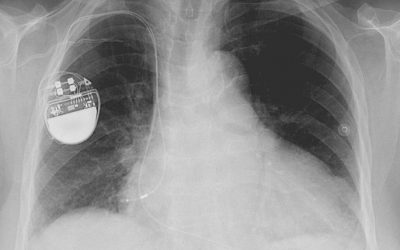
Managing Heart Conditions with Implantable Electronic Devices
Implantable electronic devices are a common form of treatment for heart rate and rhythm problems. These problems, known as arrhythmia, are usually the result of issues with the heart’s electrical system. Dependent on the type of arrhythmia implantable electronic...
DR DAVID BEGLEY’S PROFESSIONAL EXPERIENCE
PROFESSIONAL EXPERIENCE I was appointed a consultant in Cardiology at the internationally renowned Papworth Hospital in 2007 to expand the existing cardiac rhythm management team and elected Fellow of the Royal College of Physicians in 2009 (FRCP). I was Clinical Lead...

Arrhythmia Consultant Cambridge
Arrhythmia is another term for an abnormal heartbeat. Arrhythmia can affect many people, although, for a significant proportion, they can continue to live a healthy life. If you suspect you have an arrhythmia, or you have noticed a problem with the rhythm of your...

Palpitations Consultant Cambridge
Heart palpitations are a common symptom. For most people, the feeling of a fluttering or pounding heart lasts for only a few minutes. While the sensation can be worrying and give you cause for concern, it is usually harmless. Heart palpitations can happen to anyone...

Atrial Fibrillation Treatment
Atrial fibrillation treatment helps a condition that causes the heart rate to become irregular. Ordinarily, atrial fibrillation will lead to a fast heart rate. Patients can measure their heart rate to check for atrial fibrillation. While an average resting heart rate...

Dr David Begley
DR DAVID BEGLEY I graduated from Edinburgh Medical School in 1994 (MB ChB). Following completion of my residency in South East Scotland I spent 3 years at the National Institutes of Health in Bethesda, Maryland where I undertook research in the investigation and...

Treatments for cardiac rhythm disorders
A THOROUGH ASSESSMENT IS NEEDED TO ESTABLISH THE CAUSE OF YOUR HEART RHYTHM PROBLEM AND ALLOW FOR AN APPROPRIATE MANAGEMENT PLAN. How you describe your symptoms will often help narrow down the possibilities. However, correlation of your symptoms with an...
If you have experienced symptoms you might think are related to heart rhythm disturbance or have been diagnosed with an arrhythmia please discuss with your general practitioner whether referral is appropriate.